
Lessons Advertisers Can Learn from the Met Gala
Some attendees showed up to the Met Gala. Others understood the assignment.
From looks that had people talking for all the right reasons, to ones that had audiences at a loss for words, there are plenty of lessons advertisers can take away from the 2026 Met Gala.
Every year, the Met Gala delivers more than just fashion. It delivers America’s attention (and beyond). It’s one of the few events where millions of people willingly tune in to analyze, critique, celebrate, and most importantly, share what they see.
That’s what makes it so valuable for brands. Beneath the couture, chaos, and commentary is something far more practical: a crash course in how to stand out in a crowded, scroll-happy world.
Here’s what brands can learn when they look past the outfits and start paying attention to what is remembered.
1. Go Big or Go Home
The Look:
Celebrities who fully commit to the theme vs. those who show up in something vaguely adjacent (or completely off-base).
The Lesson:
Bold, fully realized ideas outperform watered-down ones every time.
The Met Gala doesn’t reward subtle participation. The looks people remember are the ones that lean all the way in. Meanwhile, safe interpretations fade into the background before the night is even over.
For brands, the same rule applies. Campaigns diluted by too many opinions or compromises rarely land. If the idea isn’t clear and committed, it won’t cut through.
Takeaway:
If you’re going to show up, do it with conviction.
2. Be Memorable, Not Just “Good”
The Look:
The outfits that go viral aren’t always the most beautiful. They’re the ones people can’t stop thinking about.
The Lesson:
Distinctiveness drives recall more than perfection.
People don’t share what’s technically flawless. They share what surprises them, confuses them, or makes them look twice. The brands that win aren’t the ones that check every box, but the ones that create a moment.
Takeaway:
Being “good” is invisible. Being memorable is everything.
3. Give People a Story to Tell
The Look:
Outfits rooted in history, culture, or personal narrative.
The Lesson:
Storytelling makes content travel.
A striking visual might stop the scroll. But a story is what makes someone share it. The Met Gala’s most talked-about looks aren’t just seen and shared. They’re explained, debated, and retold.
Brands often focus on what they’re showing, but not why it matters. That “why” is what fuels engagement.
Takeaway:
If people can’t explain it, they won’t share it.
4. Know the Assignment
The Look:
Attendees who clearly missed the theme and the internet noticed immediately.
The Lesson:
Relevance is non-negotiable.
At the Met Gala, the theme is the brief. Ignoring it makes you look out of touch, standing out in a bad way.
Brands face the same risk when they ignore context, whether that’s audience expectations, platform norms, or cultural moments. When something feels off, people notice.
Takeaway:
Creativity works best when it’s grounded in understanding.
5. Greatness Is Collaborative
The Look:
Designer and celebrity partnerships that result in iconic, cohesive moments.
The Lesson:
Collaboration multiplies impact.
No standout Met look happens in isolation. It’s the product of vision, expertise, and alignment between multiple creative forces.
For brands, partnerships (whether with creators, influencers, or other brands) can unlock new perspectives and new audiences.
Takeaway: The best ideas are rarely built alone.
6. Take Risks People Can’t Ignore
The Look:
Outfits that spark debate, confusion, or even controversy.
The Lesson:
Calculated risk earns attention. Safety does not.
The Met Gala is built on risk. And while not every bold choice “works,” the ones that do dominate the conversation.
Brands often avoid risk in favor of broad appeal. But trying to please everyone usually results in being noticed by no one.
Takeaway:
Indifference is a bigger threat than criticism.
7. Build a Signature
The Look:
While everyone at the Met Gala aspires to sartorial greatness, there are some iconic attendees like Janelle Monáe who continually show up with a clear, recognizable point of view.
The Lesson:
Consistency builds anticipation.
Over time, a distinct style becomes something people look forward to. It creates expectation, and expectation drives attention.
Brands that constantly shift their voice or identity lose that advantage. The ones that commit to a perspective build equity over time.
Takeaway:
A strong point of view compounds.
8. Make Access Feel Exclusive
The Look:
The invite-only nature of the Met Gala, and the intrigue it generates.
The Lesson:
Scarcity drives desire.
Part of the Met Gala’s appeal is that not everyone gets in. That exclusivity makes people pay attention.
Brands can apply this through limited releases, gated experiences, or insider access. When something isn’t available to everyone, it becomes more valuable.
Takeaway:
Access is a powerful lever. Use it intentionally.
9. Embrace the Meme Factor
The Look:
Outfits that instantly become memes, reactions, and cultural shorthand.
The Lesson:
Cultural relevance extends reach.
Some Met looks are practically designed for the internet. Whether intentional or not, they become part of the broader conversation, and travel far beyond the event itself.
Brands that can tap into this dynamic without forcing it gain organic visibility.
Takeaway:
If people can remix it, they’ll amplify it.
10. Launch Like It Matters
The Look:
The red carpet as a stage, where presentation is everything.
The Lesson:
How you launch shapes how you’re perceived.
At the Met Gala, the reveal is part of the experience. The same outfit shown differently would have a completely different impact.
Brands often underestimate this. A great product or campaign can fall flat if the rollout lacks intention.
Takeaway:
The launch is part of the product.
Final Thoughts
The Met Gala might look like pure spectacle, but it also provides a blueprint for modern advertising. It rewards boldness, amplifies storytelling, and proves that attention isn’t earned by playing it safe, but by being intentional, distinctive, and impossible to ignore.
In a world of endless content, the real risk isn’t being wrong. It’s being forgettable.
Want to turn bold creative ideas into high-performing campaigns? Explore how Smartly helps advertisers streamline creative production, optimize media workflows, and measure what moves audiences.
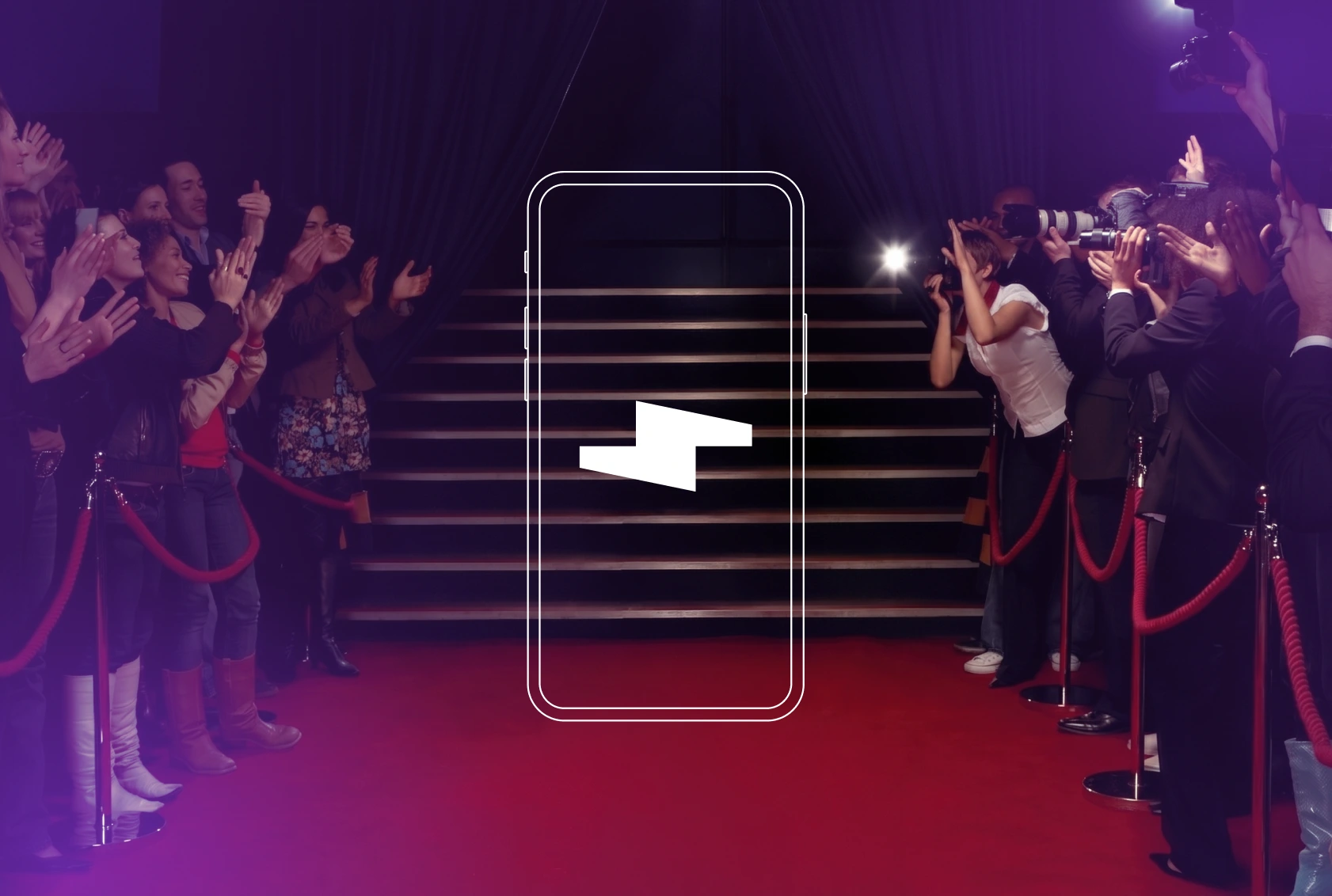

Some attendees showed up to the Met Gala. Others understood the assignment.
From looks that had people talking for all the right reasons, to ones that had audiences at a loss for words, there are plenty of lessons advertisers can take away from the 2026 Met Gala.
Every year, the Met Gala delivers more than just fashion. It delivers America’s attention (and beyond). It’s one of the few events where millions of people willingly tune in to analyze, critique, celebrate, and most importantly, share what they see.
That’s what makes it so valuable for brands. Beneath the couture, chaos, and commentary is something far more practical: a crash course in how to stand out in a crowded, scroll-happy world.
Here’s what brands can learn when they look past the outfits and start paying attention to what is remembered.
1. Go Big or Go Home
The Look:
Celebrities who fully commit to the theme vs. those who show up in something vaguely adjacent (or completely off-base).
The Lesson:
Bold, fully realized ideas outperform watered-down ones every time.
The Met Gala doesn’t reward subtle participation. The looks people remember are the ones that lean all the way in. Meanwhile, safe interpretations fade into the background before the night is even over.
For brands, the same rule applies. Campaigns diluted by too many opinions or compromises rarely land. If the idea isn’t clear and committed, it won’t cut through.
Takeaway:
If you’re going to show up, do it with conviction.
2. Be Memorable, Not Just “Good”
The Look:
The outfits that go viral aren’t always the most beautiful. They’re the ones people can’t stop thinking about.
The Lesson:
Distinctiveness drives recall more than perfection.
People don’t share what’s technically flawless. They share what surprises them, confuses them, or makes them look twice. The brands that win aren’t the ones that check every box, but the ones that create a moment.
Takeaway:
Being “good” is invisible. Being memorable is everything.
3. Give People a Story to Tell
The Look:
Outfits rooted in history, culture, or personal narrative.
The Lesson:
Storytelling makes content travel.
A striking visual might stop the scroll. But a story is what makes someone share it. The Met Gala’s most talked-about looks aren’t just seen and shared. They’re explained, debated, and retold.
Brands often focus on what they’re showing, but not why it matters. That “why” is what fuels engagement.
Takeaway:
If people can’t explain it, they won’t share it.
4. Know the Assignment
The Look:
Attendees who clearly missed the theme and the internet noticed immediately.
The Lesson:
Relevance is non-negotiable.
At the Met Gala, the theme is the brief. Ignoring it makes you look out of touch, standing out in a bad way.
Brands face the same risk when they ignore context, whether that’s audience expectations, platform norms, or cultural moments. When something feels off, people notice.
Takeaway:
Creativity works best when it’s grounded in understanding.
5. Greatness Is Collaborative
The Look:
Designer and celebrity partnerships that result in iconic, cohesive moments.
The Lesson:
Collaboration multiplies impact.
No standout Met look happens in isolation. It’s the product of vision, expertise, and alignment between multiple creative forces.
For brands, partnerships (whether with creators, influencers, or other brands) can unlock new perspectives and new audiences.
Takeaway: The best ideas are rarely built alone.
6. Take Risks People Can’t Ignore
The Look:
Outfits that spark debate, confusion, or even controversy.
The Lesson:
Calculated risk earns attention. Safety does not.
The Met Gala is built on risk. And while not every bold choice “works,” the ones that do dominate the conversation.
Brands often avoid risk in favor of broad appeal. But trying to please everyone usually results in being noticed by no one.
Takeaway:
Indifference is a bigger threat than criticism.
7. Build a Signature
The Look:
While everyone at the Met Gala aspires to sartorial greatness, there are some iconic attendees like Janelle Monáe who continually show up with a clear, recognizable point of view.
The Lesson:
Consistency builds anticipation.
Over time, a distinct style becomes something people look forward to. It creates expectation, and expectation drives attention.
Brands that constantly shift their voice or identity lose that advantage. The ones that commit to a perspective build equity over time.
Takeaway:
A strong point of view compounds.
8. Make Access Feel Exclusive
The Look:
The invite-only nature of the Met Gala, and the intrigue it generates.
The Lesson:
Scarcity drives desire.
Part of the Met Gala’s appeal is that not everyone gets in. That exclusivity makes people pay attention.
Brands can apply this through limited releases, gated experiences, or insider access. When something isn’t available to everyone, it becomes more valuable.
Takeaway:
Access is a powerful lever. Use it intentionally.
9. Embrace the Meme Factor
The Look:
Outfits that instantly become memes, reactions, and cultural shorthand.
The Lesson:
Cultural relevance extends reach.
Some Met looks are practically designed for the internet. Whether intentional or not, they become part of the broader conversation, and travel far beyond the event itself.
Brands that can tap into this dynamic without forcing it gain organic visibility.
Takeaway:
If people can remix it, they’ll amplify it.
10. Launch Like It Matters
The Look:
The red carpet as a stage, where presentation is everything.
The Lesson:
How you launch shapes how you’re perceived.
At the Met Gala, the reveal is part of the experience. The same outfit shown differently would have a completely different impact.
Brands often underestimate this. A great product or campaign can fall flat if the rollout lacks intention.
Takeaway:
The launch is part of the product.
Final Thoughts
The Met Gala might look like pure spectacle, but it also provides a blueprint for modern advertising. It rewards boldness, amplifies storytelling, and proves that attention isn’t earned by playing it safe, but by being intentional, distinctive, and impossible to ignore.
In a world of endless content, the real risk isn’t being wrong. It’s being forgettable.
Want to turn bold creative ideas into high-performing campaigns? Explore how Smartly helps advertisers streamline creative production, optimize media workflows, and measure what moves audiences.


Honestly, we'd rather just show you.
Chat with our team to see how Smartly transforms the fragmented advertising ecosystem into something suspiciously manageable.



%201%20(1)%201%201.avif)

