
What the World Cup Taught Brands About Real-Time Marketing
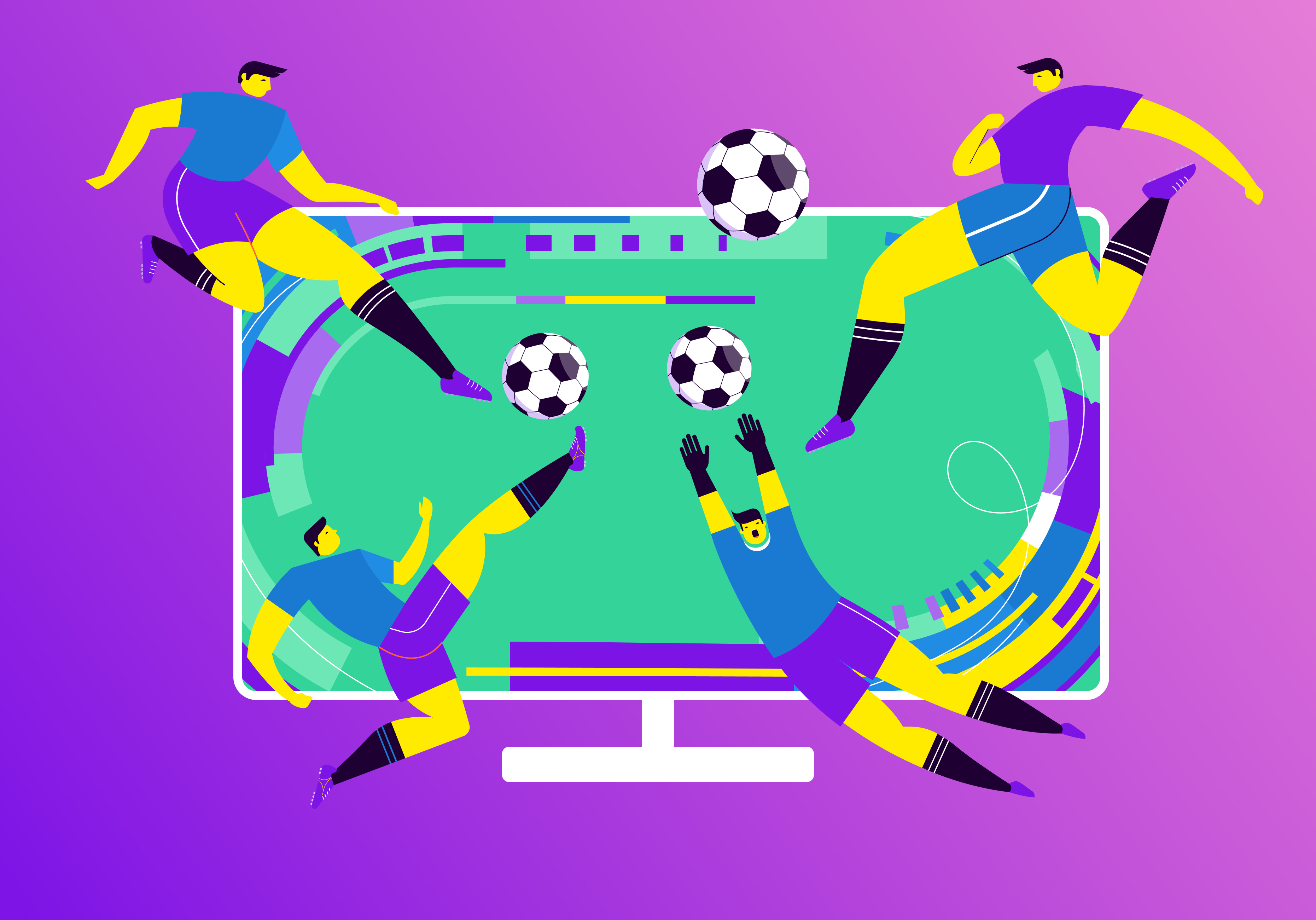
The 2026 World Cup was always going to be big.
The brands that broke through during the World Cup paid attention to real fan behavior and had the creative and operational agility to act before the moment passed.
As many as 10 million international visitors were expected to travel to the United States, while WARC projected that the tournament would inject an additional $10.5 billion into the global advertising market. That meant more brands trying to find their place in the conversation.
Before kickoff, we argued that official sponsorship wouldn’t determine which brands won the summer. The advantage would go to marketers capable of orchestrating media across channels and optimizing quickly as attention shifted.
The tournament proved that point. Some of its most memorable marketing moments didn’t begin with a campaign brief or a celebrity contract. They began with uniquely human moments.
When Every Brand is Talking, Human Moments Stand Out
The increased use of AI has given marketers an unprecedented ability to produce content. At the same time, the commercialization surrounding the World Cup reached an extraordinary scale. That combination creates an excess of content, without a lot of connection.
Against that backdrop, audiences gravitated toward interactions that felt spontaneous and recognizably human. The brands that earned attention found something fans already cared about and made the experience better.
Real-time marketing isn’t about reacting to every trending topic. It’s about recognizing the rare moment where audience behavior, cultural relevance, and brand identity naturally overlap. Several brands found that overlap during the World Cup.
Hidden Valley Followed the Conversation
International fans arrived in the United States ready to experience more than soccer. They explored and encountered various distinctly American cultural institutions.
One of the most surprising was ranch dressing. (Unless you’re from the midwest, then this was absolutely inevitable.)
Social posts from visiting fans documented their first ranch experiences with genuine fascination. In one Reddit post, a European visitor declared that “ranch dressing should be a human right.”
Soon, travelers were reportedly trying to take full-size bottles home, prompting the TSA to remind passengers that ranch was still subject to the 3.4-ounce carry-on liquid limit.
Hidden Valley could have watched the conversation unfold from the sidelines. Instead, they extended it.
Hidden Valley leaned into the idea of ranch as an unexpected American export and offered TSA-compliant packs. What began as scattered fan enthusiasm grew into a cultural story large enough for The Wall Street Journal to declare that ranch dressing had become one of the tournament’s winners.
Hidden Valley didn’t interrupt the World Cup conversation with a product message. It helped the conversation become more fun.
Levi’s Turned a Restriction into Recognition
Levi’s faced a very different situation. Because the company wasn’t an official World Cup sponsor, FIFA rules required existing corporate branding at Levi’s Stadium in Santa Clara to be concealed. The venue was renamed “San Francisco Bay Area Stadium” for the tournament, and its giant Levi’s sign was covered with a white tarp.
There was only one problem: the tarp followed the unmistakable outline of the Levi’s batwing logo. Instead of treating the cover as a loss, Levi’s treated it as creative material. The brand changed its social profile images to resemble the concealed sign and welcomed fans to the “[redacted] stadium.”
The response became the company’s biggest social media campaign to date. “What started as a naming rights sponsorship restriction at the Levi’s Stadium became THE most commented and shared post in Levi’s® history,” shared Levi’s Global Chief Marketing Officer, Kenneth Mitchell on LinkedIn. “And leaning fully into it with a profile change on our social channels sealed the deal.”
Levi Strauss & Co. CEO Michelle Gass said the moment generated roughly one billion impressions and became the brand’s most-viewed, shared, and commented-on social campaign of all time.
Levi’s couldn’t display its name, so it proved it didn’t need to. The execution worked because it was rooted in brand recognition that had been built over decades. The company didn’t force itself into an unrelated soccer storyline, but responded to something happening directly to its brand, with the confidence to let audiences complete the joke.
LongHorn Made One Fan Feel Seen
While Hidden Valley and Levi’s attracted international attention, some of the most effective World Cup interactions were much smaller.
Danny, a fan from Cameroon, had reportedly spent four years saving for his trip to the tournament. During his visit, he shared an enthusiastic video about his experience eating at LongHorn Steakhouse. His excitement wasn’t polished influencer content, but simply the reaction of someone having a genuinely memorable experience.
LongHorn responded by inviting him back as a VIP guest. The restaurant welcomed him with another meal, a cake, and branded gifts. There wasn’t an elaborate activation plan. The brand saw someone expressing sincere affection and returned it.
By recognizing one customer, LongHorn gave thousands of other people a reason to care. The brand’s role wasn’t to take ownership of Danny’s story, but to help it reach a more satisfying conclusion.
Brands as Facilitators, Not Broadcasters
These examples varied broadly, but the underlying strategy was remarkably similar:
- Hidden Valley facilitated discovery
- Levi’s facilitated an inside joke
- LongHorn facilitated a fan’s joy
None of these brands needed to manufacture enthusiasm because the enthusiasm already existed.
For marketers, this requires a shift in mindset. Success around cultural events cannot be measured only by how frequently the brand appears. Reach still matters, but repetition without relevance quickly becomes background noise.
Brands need to ask a different question: What is the audience already doing, and how can we make that behavior more rewarding?
Sometimes that means providing a useful product. Other times it means recognizing the absurdity of a situation. And, sometimes it means doing something meaningful for one person rather than trying to speak to everyone at once.
You Cannot Schedule the Unexpected, but You Can Prepare for It
None of this means marketers should abandon campaign planning and wait for something to go viral. In fact, the opposite is true.
Responsive marketing requires preparation. Teams need…
- Clear decision rights
- Pre-approved creative frameworks
- Flexible budgets
- Strong brand guidelines
- An established process for identifying which moments deserve attention
Without that foundation, an opportunity can disappear while legal and leadership debate what to do. The goal is to remove the operational friction that prevents the brand from responding when it does:
- Modular creative gives teams a starting point
- Social and performance signals reveal where attention is building
- Connected media workflows make it possible to move investment toward a relevant message
- Real-time measurement shows whether the response is earning genuine engagement or simply adding more noise
AI can help marketers generate variations and accelerate execution, but human judgment still determines whether a moment is right for the brand. In other words, technology creates the capacity to move quickly. People decide where to go.
Build a Marketing Stack That Can Keep Up With Culture
The lesson from this World Cup isn’t that every brand needs a viral stunt. It’s that the distance between insight and execution has become a competitive variable.
When creative, media, and intelligence operate in separate systems, the process is often too slow. By the time a trend is identified, turned into a brief, developed, approved, launched, and funded, the audience has moved on.
Connecting those functions changes what’s possible. That’s the kind of orchestration required to turn fleeting attention into measurable impact.
The World Cup’s biggest brand moments may have looked spontaneous. Behind every effective response, however, was a team capable of recognizing the opportunity, trusting the idea, and getting it into the world.
You cannot plan the next sauce obsession. But you can build a system ready for it.

The 2026 World Cup was always going to be big.
The brands that broke through during the World Cup paid attention to real fan behavior and had the creative and operational agility to act before the moment passed.
As many as 10 million international visitors were expected to travel to the United States, while WARC projected that the tournament would inject an additional $10.5 billion into the global advertising market. That meant more brands trying to find their place in the conversation.
Before kickoff, we argued that official sponsorship wouldn’t determine which brands won the summer. The advantage would go to marketers capable of orchestrating media across channels and optimizing quickly as attention shifted.
The tournament proved that point. Some of its most memorable marketing moments didn’t begin with a campaign brief or a celebrity contract. They began with uniquely human moments.
When Every Brand is Talking, Human Moments Stand Out
The increased use of AI has given marketers an unprecedented ability to produce content. At the same time, the commercialization surrounding the World Cup reached an extraordinary scale. That combination creates an excess of content, without a lot of connection.
Against that backdrop, audiences gravitated toward interactions that felt spontaneous and recognizably human. The brands that earned attention found something fans already cared about and made the experience better.
Real-time marketing isn’t about reacting to every trending topic. It’s about recognizing the rare moment where audience behavior, cultural relevance, and brand identity naturally overlap. Several brands found that overlap during the World Cup.
Hidden Valley Followed the Conversation
International fans arrived in the United States ready to experience more than soccer. They explored and encountered various distinctly American cultural institutions.
One of the most surprising was ranch dressing. (Unless you’re from the midwest, then this was absolutely inevitable.)
Social posts from visiting fans documented their first ranch experiences with genuine fascination. In one Reddit post, a European visitor declared that “ranch dressing should be a human right.”
Soon, travelers were reportedly trying to take full-size bottles home, prompting the TSA to remind passengers that ranch was still subject to the 3.4-ounce carry-on liquid limit.
Hidden Valley could have watched the conversation unfold from the sidelines. Instead, they extended it.
Hidden Valley leaned into the idea of ranch as an unexpected American export and offered TSA-compliant packs. What began as scattered fan enthusiasm grew into a cultural story large enough for The Wall Street Journal to declare that ranch dressing had become one of the tournament’s winners.
Hidden Valley didn’t interrupt the World Cup conversation with a product message. It helped the conversation become more fun.
Levi’s Turned a Restriction into Recognition
Levi’s faced a very different situation. Because the company wasn’t an official World Cup sponsor, FIFA rules required existing corporate branding at Levi’s Stadium in Santa Clara to be concealed. The venue was renamed “San Francisco Bay Area Stadium” for the tournament, and its giant Levi’s sign was covered with a white tarp.
There was only one problem: the tarp followed the unmistakable outline of the Levi’s batwing logo. Instead of treating the cover as a loss, Levi’s treated it as creative material. The brand changed its social profile images to resemble the concealed sign and welcomed fans to the “[redacted] stadium.”
The response became the company’s biggest social media campaign to date. “What started as a naming rights sponsorship restriction at the Levi’s Stadium became THE most commented and shared post in Levi’s® history,” shared Levi’s Global Chief Marketing Officer, Kenneth Mitchell on LinkedIn. “And leaning fully into it with a profile change on our social channels sealed the deal.”
Levi Strauss & Co. CEO Michelle Gass said the moment generated roughly one billion impressions and became the brand’s most-viewed, shared, and commented-on social campaign of all time.
Levi’s couldn’t display its name, so it proved it didn’t need to. The execution worked because it was rooted in brand recognition that had been built over decades. The company didn’t force itself into an unrelated soccer storyline, but responded to something happening directly to its brand, with the confidence to let audiences complete the joke.
LongHorn Made One Fan Feel Seen
While Hidden Valley and Levi’s attracted international attention, some of the most effective World Cup interactions were much smaller.
Danny, a fan from Cameroon, had reportedly spent four years saving for his trip to the tournament. During his visit, he shared an enthusiastic video about his experience eating at LongHorn Steakhouse. His excitement wasn’t polished influencer content, but simply the reaction of someone having a genuinely memorable experience.
LongHorn responded by inviting him back as a VIP guest. The restaurant welcomed him with another meal, a cake, and branded gifts. There wasn’t an elaborate activation plan. The brand saw someone expressing sincere affection and returned it.
By recognizing one customer, LongHorn gave thousands of other people a reason to care. The brand’s role wasn’t to take ownership of Danny’s story, but to help it reach a more satisfying conclusion.
Brands as Facilitators, Not Broadcasters
These examples varied broadly, but the underlying strategy was remarkably similar:
- Hidden Valley facilitated discovery
- Levi’s facilitated an inside joke
- LongHorn facilitated a fan’s joy
None of these brands needed to manufacture enthusiasm because the enthusiasm already existed.
For marketers, this requires a shift in mindset. Success around cultural events cannot be measured only by how frequently the brand appears. Reach still matters, but repetition without relevance quickly becomes background noise.
Brands need to ask a different question: What is the audience already doing, and how can we make that behavior more rewarding?
Sometimes that means providing a useful product. Other times it means recognizing the absurdity of a situation. And, sometimes it means doing something meaningful for one person rather than trying to speak to everyone at once.
You Cannot Schedule the Unexpected, but You Can Prepare for It
None of this means marketers should abandon campaign planning and wait for something to go viral. In fact, the opposite is true.
Responsive marketing requires preparation. Teams need…
- Clear decision rights
- Pre-approved creative frameworks
- Flexible budgets
- Strong brand guidelines
- An established process for identifying which moments deserve attention
Without that foundation, an opportunity can disappear while legal and leadership debate what to do. The goal is to remove the operational friction that prevents the brand from responding when it does:
- Modular creative gives teams a starting point
- Social and performance signals reveal where attention is building
- Connected media workflows make it possible to move investment toward a relevant message
- Real-time measurement shows whether the response is earning genuine engagement or simply adding more noise
AI can help marketers generate variations and accelerate execution, but human judgment still determines whether a moment is right for the brand. In other words, technology creates the capacity to move quickly. People decide where to go.
Build a Marketing Stack That Can Keep Up With Culture
The lesson from this World Cup isn’t that every brand needs a viral stunt. It’s that the distance between insight and execution has become a competitive variable.
When creative, media, and intelligence operate in separate systems, the process is often too slow. By the time a trend is identified, turned into a brief, developed, approved, launched, and funded, the audience has moved on.
Connecting those functions changes what’s possible. That’s the kind of orchestration required to turn fleeting attention into measurable impact.
The World Cup’s biggest brand moments may have looked spontaneous. Behind every effective response, however, was a team capable of recognizing the opportunity, trusting the idea, and getting it into the world.
You cannot plan the next sauce obsession. But you can build a system ready for it.


Honestly, we'd rather just show you.
Chat with our team to see how Smartly transforms the fragmented advertising ecosystem into something suspiciously manageable.


%201%20(1)%201%201.avif)
