
The Doors Dolly Parton Opened
Few people become known around the world by a first name. Fewer make that recognition feel personal.
Dolly Parton spent a lifetime turning a voice rooted in the Tennessee mountains into one of the most recognizable bodies of work in American culture. She was a songwriter, singer, actor, author, businesswoman, and philanthropist. Yet none of those titles, alone or together, quite explain why so many people felt they knew her.
Parton was larger than life without ever seeming removed from it. She was glamorous but grounded, ambitious but generous, and commercially astute without surrendering the stories that made her work her own.
She knew how to command attention. More importantly, she knew what to do with it.
She made specificity universal
Parton’s songs came from particular people, places, and experiences. She wrote about childhood poverty and maternal love in “Coat of Many Colors.” She transformed a difficult professional goodbye into “I Will Always Love You.” She gave voice to workplace frustration in “9 to 5” and turned the name “Jolene” into a plea recognized across languages and generations.
The stories were unmistakably hers, but the emotions belonged to everyone.
That was one of her rarest gifts. Parton never appeared to sand away what made her different to reach a wider audience. She trusted that the details of her own life—the mountains, the family stories, the heartbreak, the humor, the faith, the ambition—could become an invitation rather than a boundary.
Specificity didn’t limit her work. It gave it a center.
The result was music that could feel intimate even when heard by millions. Her songs did not simply describe an emotion. They created a place for listeners to recognize something in themselves.
The rhinestones were never the whole story
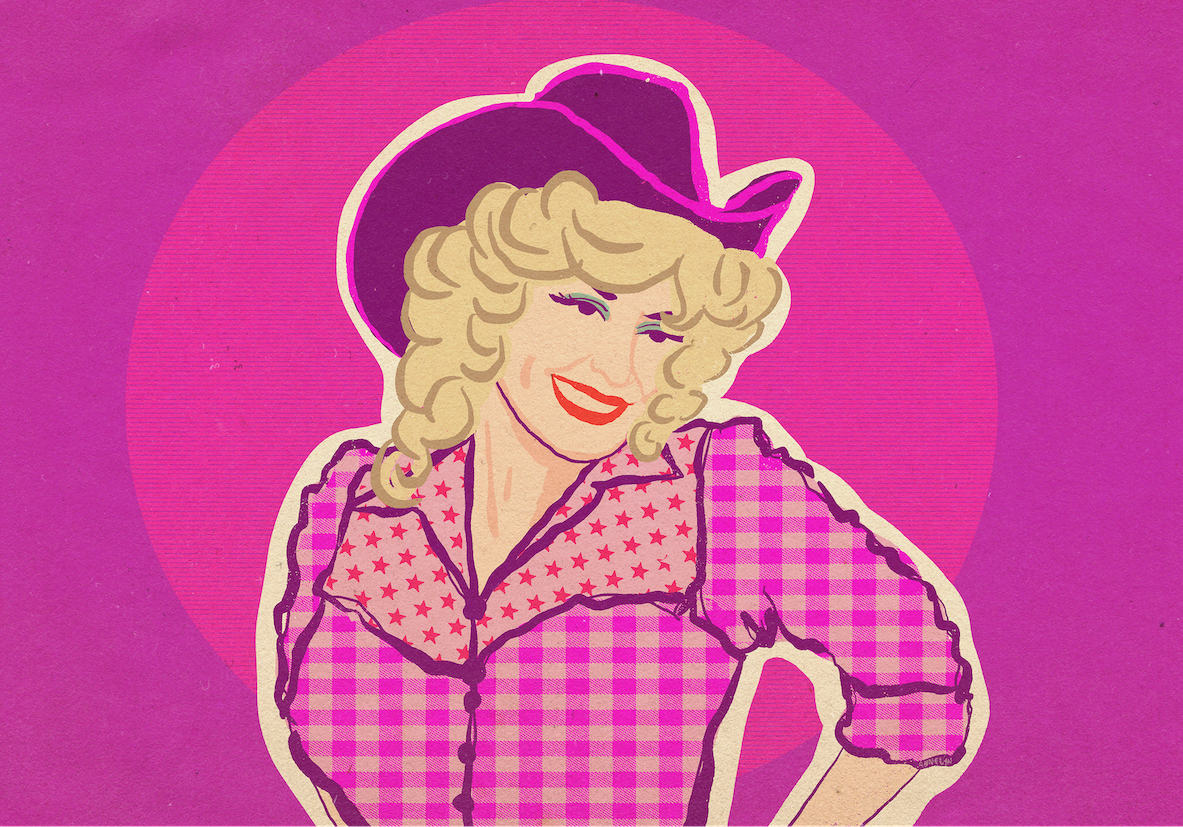
Parton’s visual identity was impossible to miss. The blonde hair, sparkling costumes, long nails, and quick jokes made her instantly recognizable. But the image was never a substitute for substance.
She established her own publishing company early in her career, protected ownership of her work, and built businesses around a creative catalog she understood the value of long before the rest of the world fully did. The Library of Congress has noted how consistently she registered and protected her original work, while the Rock & Roll Hall of Fame credits her with setting new standards for artistic control.
Parton understood that distinctiveness is more than decoration. It comes from the alignment between how someone appears, what they create, and what they believe.
She was also usually in control of the joke. Parton could make fun of her public image without allowing anyone else to reduce her to it. Behind the self-deprecating humor was a person who knew exactly what she was doing, and who understood that wit could be both an invitation and a form of authority.
She grew without becoming generic
Parton moved far beyond the boundaries of country music. She crossed into pop, bluegrass, gospel, rock, film, television, theater, books, and business. Her work changed form many times, but it rarely lost its identity. Every new expression still felt unmistakably “Dolly.”
Her career is proof that growth doesn’t require dilution.
That feels particularly meaningful now, when technology can produce, adapt, and distribute more creative work than ever before. Greater scale can extend an idea, but it cannot supply the idea’s reason for existing.
No system could manufacture the blend of lived experience, humor, vulnerability, and self-knowledge that made Parton’s work worth carrying forward. Technology could help her voice travel. It couldn’t create the humanity that gave that voice weight.
The most powerful kind of scale doesn’t flatten what’s distinctive. It helps something deeply human reach more people.
Parton understood that long before the rest of us had the language—or the tools—to describe it.
She turned success outward
Parton built an extraordinary career, but she didn’t treat fame as a conclusion.
In 1995, inspired by her father’s inability to read and write, she launched the Imagination Library in Sevier County, Tennessee. The program began by mailing free, age-appropriate books to young children in her home community.
By June 2026, it had gifted more than 325 million books across the United States, Canada, the United Kingdom, Australia, and the Republic of Ireland, with more than 3.5 million books being sent each month.
While the program is enormous, the experience itself is intimate. A book arrives, addressed to a child. That child opens the package and finds a story they can hold, revisit, and eventually read for themselves.
That was Parton’s particular kind of generosity. It operated at scale without losing sight of the individual.
Through Dollywood and the Dollywood Foundation, she also invested in the economy, education, and communities of the region that shaped her. Her success became a way to create more opportunity around her. Her fame was the engine, not the endpoint.
The doors remain open
Parton opened doors simply by refusing the limitations other people tried to place around her.
She opened them for women who wanted to own their ambition. For artists who didn’t want to choose between commercial success and personal truth. For people from rural communities who saw their experiences treated as worthy of the world’s attention. For performers who wanted to cross categories without leaving themselves behind.
And through the Imagination Library, she opened doors for children who may never have known her music but will grow up with a book carrying their name.
Her legacy will continue in obvious ways. The songs will keep playing. New artists will keep interpreting them. Audiences will continue discovering performances recorded decades before they were born.
But her influence will also continue in homes where another book arrives in the mail. Parton’s family has asked that those wishing to honor her consider supporting the Imagination Library. It’s difficult to imagine a tribute more fitting than helping the work she began continue reaching another child.
As the best brands know, attention can make someone famous, but expanding what other people believe is possible creates something more lasting. Dolly Parton did both, and the opportunities she created will endure.

Few people become known around the world by a first name. Fewer make that recognition feel personal.
Dolly Parton spent a lifetime turning a voice rooted in the Tennessee mountains into one of the most recognizable bodies of work in American culture. She was a songwriter, singer, actor, author, businesswoman, and philanthropist. Yet none of those titles, alone or together, quite explain why so many people felt they knew her.
Parton was larger than life without ever seeming removed from it. She was glamorous but grounded, ambitious but generous, and commercially astute without surrendering the stories that made her work her own.
She knew how to command attention. More importantly, she knew what to do with it.
She made specificity universal
Parton’s songs came from particular people, places, and experiences. She wrote about childhood poverty and maternal love in “Coat of Many Colors.” She transformed a difficult professional goodbye into “I Will Always Love You.” She gave voice to workplace frustration in “9 to 5” and turned the name “Jolene” into a plea recognized across languages and generations.
The stories were unmistakably hers, but the emotions belonged to everyone.
That was one of her rarest gifts. Parton never appeared to sand away what made her different to reach a wider audience. She trusted that the details of her own life—the mountains, the family stories, the heartbreak, the humor, the faith, the ambition—could become an invitation rather than a boundary.
Specificity didn’t limit her work. It gave it a center.
The result was music that could feel intimate even when heard by millions. Her songs did not simply describe an emotion. They created a place for listeners to recognize something in themselves.
The rhinestones were never the whole story
Parton’s visual identity was impossible to miss. The blonde hair, sparkling costumes, long nails, and quick jokes made her instantly recognizable. But the image was never a substitute for substance.
She established her own publishing company early in her career, protected ownership of her work, and built businesses around a creative catalog she understood the value of long before the rest of the world fully did. The Library of Congress has noted how consistently she registered and protected her original work, while the Rock & Roll Hall of Fame credits her with setting new standards for artistic control.
Parton understood that distinctiveness is more than decoration. It comes from the alignment between how someone appears, what they create, and what they believe.
She was also usually in control of the joke. Parton could make fun of her public image without allowing anyone else to reduce her to it. Behind the self-deprecating humor was a person who knew exactly what she was doing, and who understood that wit could be both an invitation and a form of authority.
She grew without becoming generic
Parton moved far beyond the boundaries of country music. She crossed into pop, bluegrass, gospel, rock, film, television, theater, books, and business. Her work changed form many times, but it rarely lost its identity. Every new expression still felt unmistakably “Dolly.”
Her career is proof that growth doesn’t require dilution.
That feels particularly meaningful now, when technology can produce, adapt, and distribute more creative work than ever before. Greater scale can extend an idea, but it cannot supply the idea’s reason for existing.
No system could manufacture the blend of lived experience, humor, vulnerability, and self-knowledge that made Parton’s work worth carrying forward. Technology could help her voice travel. It couldn’t create the humanity that gave that voice weight.
The most powerful kind of scale doesn’t flatten what’s distinctive. It helps something deeply human reach more people.
Parton understood that long before the rest of us had the language—or the tools—to describe it.
She turned success outward
Parton built an extraordinary career, but she didn’t treat fame as a conclusion.
In 1995, inspired by her father’s inability to read and write, she launched the Imagination Library in Sevier County, Tennessee. The program began by mailing free, age-appropriate books to young children in her home community.
By June 2026, it had gifted more than 325 million books across the United States, Canada, the United Kingdom, Australia, and the Republic of Ireland, with more than 3.5 million books being sent each month.
While the program is enormous, the experience itself is intimate. A book arrives, addressed to a child. That child opens the package and finds a story they can hold, revisit, and eventually read for themselves.
That was Parton’s particular kind of generosity. It operated at scale without losing sight of the individual.
Through Dollywood and the Dollywood Foundation, she also invested in the economy, education, and communities of the region that shaped her. Her success became a way to create more opportunity around her. Her fame was the engine, not the endpoint.
The doors remain open
Parton opened doors simply by refusing the limitations other people tried to place around her.
She opened them for women who wanted to own their ambition. For artists who didn’t want to choose between commercial success and personal truth. For people from rural communities who saw their experiences treated as worthy of the world’s attention. For performers who wanted to cross categories without leaving themselves behind.
And through the Imagination Library, she opened doors for children who may never have known her music but will grow up with a book carrying their name.
Her legacy will continue in obvious ways. The songs will keep playing. New artists will keep interpreting them. Audiences will continue discovering performances recorded decades before they were born.
But her influence will also continue in homes where another book arrives in the mail. Parton’s family has asked that those wishing to honor her consider supporting the Imagination Library. It’s difficult to imagine a tribute more fitting than helping the work she began continue reaching another child.
As the best brands know, attention can make someone famous, but expanding what other people believe is possible creates something more lasting. Dolly Parton did both, and the opportunities she created will endure.



Honestly, we'd rather just show you.
Chat with our team to see how Smartly transforms the fragmented advertising ecosystem into something suspiciously manageable.



%201%20(1)%201%201.avif)

