The New Path to Discovery: ADVANCE Takeaways on How AI Is Changing the Way Brands Earn Attention
The buyer’s journey is as non-linear as ever. Advertisers have been forced to reevaluate where discovery begins, how to meet evolving consumer expectations, and what it all means for brands competing for attention.
Discovery can start with an idea, a conversation, a video, or a question to an AI assistant—not only a search for a specific product. At ADVANCE 2026, marketers and platform leaders explored what this means for brands: consumers are moving across more touchpoints, and the challenge is to earn attention while making each interaction useful and memorable.
Discovery can begin before someone knows what to search for
Many shopping journeys start with a need or interest, not a product name. Pinterest CEO Bill Ready noted that more than 95% of searches on the platform are unbranded, reflecting how people use it to explore ideas and possibilities before they know exactly what they want.
“The funnel is a random walk, a non-linear squiggly line where consumers wander around, get sidetracked, and discover continuously,” shared Ready during the panel.
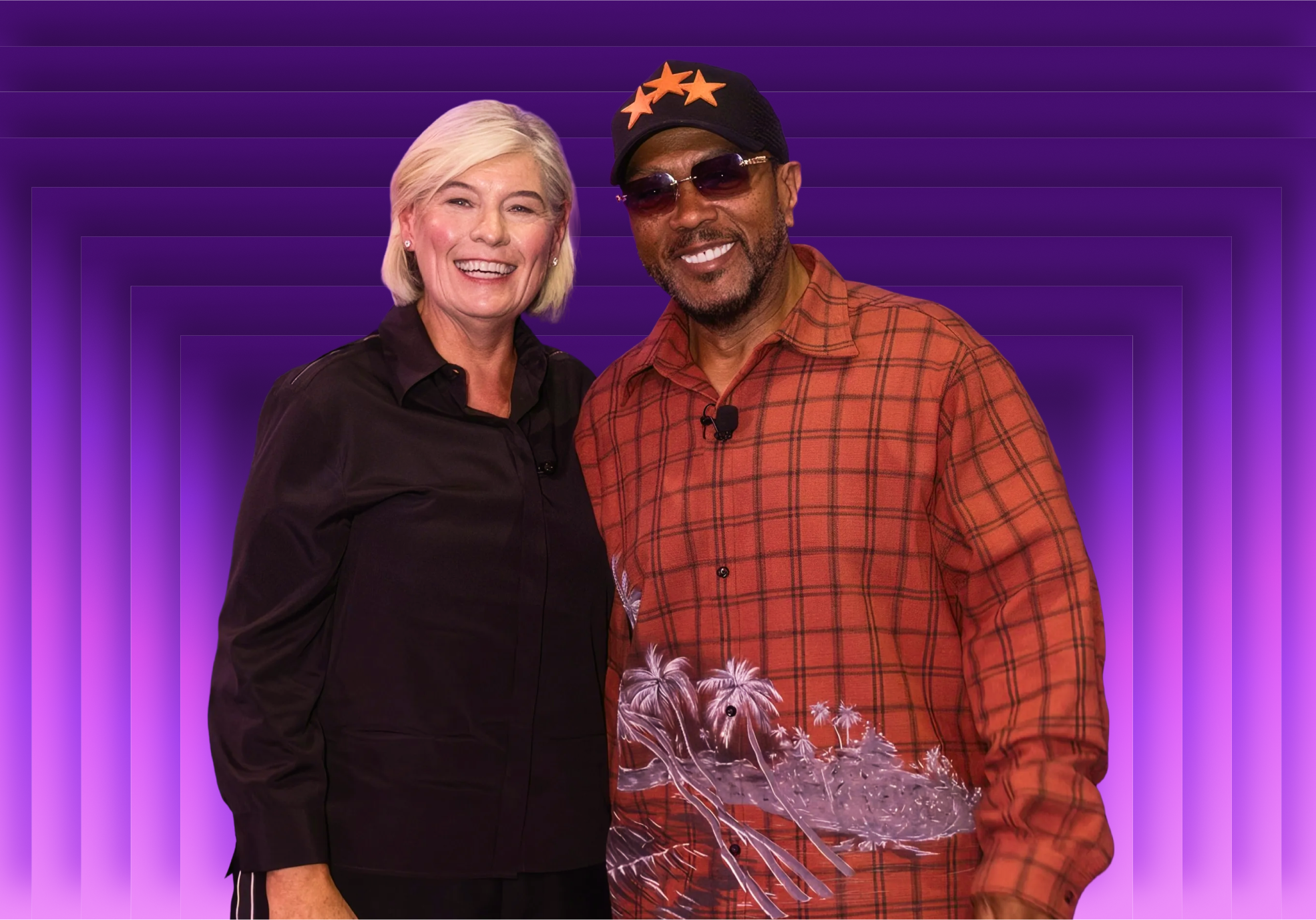
That exploratory behavior matters. In a conversation with Smartly CEO Laura Desmond, Ready described shopping as a journey that can include browsing and inspiration alongside practical research. As he put it, “Not all who wander are lost.” For brands, the opportunity is to be useful during that exploration, not just when someone is ready to buy.
Search, social, and AI are converging
People discover and evaluate products across search engines, social platforms, creator content, online communities, and AI-assisted tools. Each touchpoint can play a different role, and people may move among them as they look for ideas, compare options, or decide what to do next.
That calls for a broader view of discoverability. Brands need clear, consistent information wherever people encounter them, along with creative that fits the context. Search may help someone answer a specific question; a creator may show how a product works in real life; a community conversation may help someone assess whether a brand’s claims feel credible.
The job for marketers is to understand the role each touchpoint plays and help the experience hold together across them.
Make it easy to act—and rewarding to explore
Some consumer journeys move quickly from need to action. When people know what they need, convenience matters.
Other journeys involve discovery and consideration along the way. Ready explained how “The first 25 years of e-commerce sort of solved for buying, but killed shopping.” His advice to search engineers was to “make the journey joyful” and avoid pushing people toward a purchase before they are ready. Both behaviors can exist in the same category—or even in the same person’s shopping habits.
Brands need to make action straightforward while leaving room for people to explore. Useful recommendations, relevant content, and clear product information can help people move at their own pace.
Let media and creative respond to changing signals
When discovery can happen in more places, media and creative teams need to work from a shared understanding of the audience and the role each asset serves.
A video, creator partnership, community response, and product page do different jobs. Planning them together helps teams adapt as consumer behavior shifts, while keeping the brand recognizable across platforms. It also helps prevent a common trap: creating more content without making the experience more relevant.
At ADVANCE, speakers across sessions emphasized the value of creator perspective, community context, and human judgment. Those qualities help brands respond to culture without losing the identity that makes them worth noticing.
Human creativity gives brands a reason to be remembered
As AI makes it easier to generate and personalize content, the amount of content people encounter will keep growing. More output alone does not make a brand distinctive. People still respond to ideas that feel relevant, original, and grounded in an understanding of what matters to them.
That means using technology to help teams listen, learn, and move efficiently—and giving people the space to shape the story. Ready highlighted “Automation should take away the drudgery … but enhance the joyful aspects.”
Earn attention across the journey
The path to discovery now moves through a mix of platforms, people, and tools. Brands can respond by making information easy to find, creating work suited to each touchpoint, and giving consumers a clear reason to keep engaging.
One of the central lessons from ADVANCE was discovery is a journey of exploration as well as action. Brands that respect both can meet changing expectations while building recognition that lasts beyond a single interaction.
For marketers in Los Angeles, the conversation continues at Smartly Connect LA. On Wednesday, October 21, at The Beverly Hills Hotel, Smartly and Pinterest will explore how brands can turn early-stage intent into measurable outcomes through platform-native creative, smarter activation, and full-funnel performance. The event will also feature practical campaign insights, real-world brand perspectives, a hands-on Pinterest Predicts experience, and time to connect with fellow marketers.
Join us: Register for Smartly Connect LA.
The New Path to Discovery: ADVANCE Takeaways on How AI Is Changing the Way Brands Earn Attention


The buyer’s journey is as non-linear as ever. Advertisers have been forced to reevaluate where discovery begins, how to meet evolving consumer expectations, and what it all means for brands competing for attention.
Discovery can start with an idea, a conversation, a video, or a question to an AI assistant—not only a search for a specific product. At ADVANCE 2026, marketers and platform leaders explored what this means for brands: consumers are moving across more touchpoints, and the challenge is to earn attention while making each interaction useful and memorable.
Discovery can begin before someone knows what to search for
Many shopping journeys start with a need or interest, not a product name. Pinterest CEO Bill Ready noted that more than 95% of searches on the platform are unbranded, reflecting how people use it to explore ideas and possibilities before they know exactly what they want.
“The funnel is a random walk, a non-linear squiggly line where consumers wander around, get sidetracked, and discover continuously,” shared Ready during the panel.
That exploratory behavior matters. In a conversation with Smartly CEO Laura Desmond, Ready described shopping as a journey that can include browsing and inspiration alongside practical research. As he put it, “Not all who wander are lost.” For brands, the opportunity is to be useful during that exploration, not just when someone is ready to buy.
Search, social, and AI are converging
People discover and evaluate products across search engines, social platforms, creator content, online communities, and AI-assisted tools. Each touchpoint can play a different role, and people may move among them as they look for ideas, compare options, or decide what to do next.
That calls for a broader view of discoverability. Brands need clear, consistent information wherever people encounter them, along with creative that fits the context. Search may help someone answer a specific question; a creator may show how a product works in real life; a community conversation may help someone assess whether a brand’s claims feel credible.
The job for marketers is to understand the role each touchpoint plays and help the experience hold together across them.
Make it easy to act—and rewarding to explore
Some consumer journeys move quickly from need to action. When people know what they need, convenience matters.
Other journeys involve discovery and consideration along the way. Ready explained how “The first 25 years of e-commerce sort of solved for buying, but killed shopping.” His advice to search engineers was to “make the journey joyful” and avoid pushing people toward a purchase before they are ready. Both behaviors can exist in the same category—or even in the same person’s shopping habits.
Brands need to make action straightforward while leaving room for people to explore. Useful recommendations, relevant content, and clear product information can help people move at their own pace.
Let media and creative respond to changing signals
When discovery can happen in more places, media and creative teams need to work from a shared understanding of the audience and the role each asset serves.
A video, creator partnership, community response, and product page do different jobs. Planning them together helps teams adapt as consumer behavior shifts, while keeping the brand recognizable across platforms. It also helps prevent a common trap: creating more content without making the experience more relevant.
At ADVANCE, speakers across sessions emphasized the value of creator perspective, community context, and human judgment. Those qualities help brands respond to culture without losing the identity that makes them worth noticing.
Human creativity gives brands a reason to be remembered
As AI makes it easier to generate and personalize content, the amount of content people encounter will keep growing. More output alone does not make a brand distinctive. People still respond to ideas that feel relevant, original, and grounded in an understanding of what matters to them.
That means using technology to help teams listen, learn, and move efficiently—and giving people the space to shape the story. Ready highlighted “Automation should take away the drudgery … but enhance the joyful aspects.”
Earn attention across the journey
The path to discovery now moves through a mix of platforms, people, and tools. Brands can respond by making information easy to find, creating work suited to each touchpoint, and giving consumers a clear reason to keep engaging.
One of the central lessons from ADVANCE was discovery is a journey of exploration as well as action. Brands that respect both can meet changing expectations while building recognition that lasts beyond a single interaction.
For marketers in Los Angeles, the conversation continues at Smartly Connect LA. On Wednesday, October 21, at The Beverly Hills Hotel, Smartly and Pinterest will explore how brands can turn early-stage intent into measurable outcomes through platform-native creative, smarter activation, and full-funnel performance. The event will also feature practical campaign insights, real-world brand perspectives, a hands-on Pinterest Predicts experience, and time to connect with fellow marketers.
Join us: Register for Smartly Connect LA.


Honestly, we'd rather just show you.
Chat with our team to see how Smartly transforms the fragmented advertising ecosystem into something suspiciously manageable.