Theseus Chan’s 10 Thoughts on Art, Design and Creative Freedom
AI has made it easier than ever before to produce creative work quickly. As AI becomes ubiquitously accessible, a harder question comes into focus: how do you make work that feels considered, original and worth making? That question brought dozens of creatives together for a conversation at Publicis Groupe Japan in Tokyo.
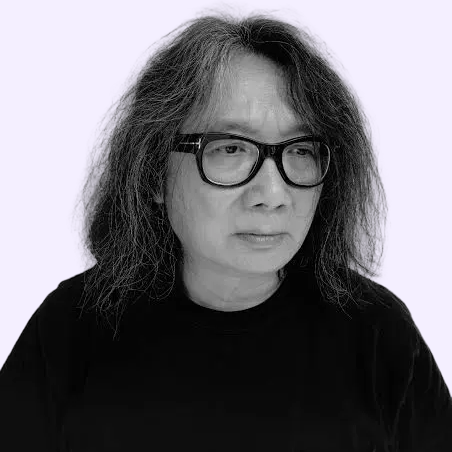
The conversation featured Theseus Chan, a Singaporean graphic artist and print designer known for his experimental approach to publication design. Through WERK Magazine and other projects, he explores how material, production and chance can shape creative work.
His ideas ranged from the value of an open mind to the importance of mastering the fundamentals.
1. Freedom is fundamental.
For me, art and design are about freedom. The freedom to think independently, question what is accepted, experiment, make mistakes and arrive at something I could not have imagined at the beginning.
2. Inspiration comes from encounters.
I find inspiration in things that are often overlooked, ordinary objects, unfamiliar materials, fleeting moments and my own feelings. I don’t always go looking for references. I prefer to encounter things without knowing what I might do with them.
3. Keep an empty headspace.
I try not to approach everything with preconceived ideas or judgments. Not everything needs to make sense immediately. Sometimes, the moment you decide what something is, you stop seeing what else it could be. I think it’s important to leave room for the unknown.
4. Develop your own sensibilities.
Young designers and artists should not be too concerned with what is fashionable or what others consider good. Learn to observe, trust your feelings and develop your own point of view. Don’t allow the opinions of others to determine what you find interesting.
5. Master your craft to gain freedom.
Understand typography, printing, materials, construction and production deeply. The more you understand how things work, the more possibilities you begin to see. Knowing the rules gives you the freedom to question them, change them or disregard them altogether.
6. Allow the unexpected to happen.
I don’t believe everything needs to be planned or controlled. Sometimes mistakes, limitations or accidents lead to something more interesting than the original idea. You need to remain open enough to recognise these moments and be willing to follow where they lead.
7. Use AI without surrendering your judgment.
AI is another tool with interesting possibilities. But producing something quickly or making something look impressive doesn’t necessarily make it meaningful. We still need to ask why we are making something, what we want to express and whether it is worth making. Technology should expand our possibilities, not determine our thinking.
8. Don’t always give people what they expect.
Working with clients involves practical considerations, but I don’t think the answer is always to make something familiar or easily understood. Sometimes you need to show people what might be possible rather than explain everything in advance. An unfamiliar idea deserves the opportunity to be explored.
9. Protect your independence and intention.
Above all, protect your creative freedom, your independence of thought and your intention to create strong, original work. Don’t allow trends, technology, commercial pressures or the desire for approval to dilute that intention. Be willing to abandon methods and change direction, but don’t lose sight of what you believe is worth creating.
10. Creativity is also about discovery.
I believe creativity is not only about making something new. It’s also about allowing yourself to discover something you didn’t know was possible. Don’t become too attached to certainty or to how things should turn out. For me, the freedom to explore without knowing where I might end up is perhaps the most important freedom of all.
The questions behind the tools still matter
The conversation at Publicis Groupe Japan returned to a question facing creative teams everywhere: how can new tools support the work without narrowing the thinking behind it?
Chan’s reflections suggest that the answer begins with the habits creatives bring to the process: curiosity, craft, independent judgment and a willingness to follow ideas into unfamiliar territory. Tools may change what teams can make and how quickly they can make it. The intention, discernment, and perspective that give the work meaning remain human.
Theseus Chan
In 2006, Theseus Chan became the first visual communication designer in Singapore to receive the Designer of the Year honor at the inaugural President’s Design Award Singapore.
Chan’s work is held in the permanent collections of Cooper Hewitt, Smithsonian Design Museum in New York, and M+, Museum of Visual Culture in Hong Kong. Notable collaborators include Comme des Garçons, Dover Street Market, Louis Vuitton Japan, Japanese artist Keiichi Tanaami, and South Korean fashion label thisisneverthat. Chan is also one of four international artists selected, alongside 16 Japanese artists, to create original artwork for the Tokyo 2020 Olympic Games.
Theseus Chan’s 10 Thoughts on Art, Design and Creative Freedom

AI has made it easier than ever before to produce creative work quickly. As AI becomes ubiquitously accessible, a harder question comes into focus: how do you make work that feels considered, original and worth making? That question brought dozens of creatives together for a conversation at Publicis Groupe Japan in Tokyo.
The conversation featured Theseus Chan, a Singaporean graphic artist and print designer known for his experimental approach to publication design. Through WERK Magazine and other projects, he explores how material, production and chance can shape creative work.
His ideas ranged from the value of an open mind to the importance of mastering the fundamentals.
1. Freedom is fundamental.
For me, art and design are about freedom. The freedom to think independently, question what is accepted, experiment, make mistakes and arrive at something I could not have imagined at the beginning.
2. Inspiration comes from encounters.
I find inspiration in things that are often overlooked, ordinary objects, unfamiliar materials, fleeting moments and my own feelings. I don’t always go looking for references. I prefer to encounter things without knowing what I might do with them.
3. Keep an empty headspace.
I try not to approach everything with preconceived ideas or judgments. Not everything needs to make sense immediately. Sometimes, the moment you decide what something is, you stop seeing what else it could be. I think it’s important to leave room for the unknown.
4. Develop your own sensibilities.
Young designers and artists should not be too concerned with what is fashionable or what others consider good. Learn to observe, trust your feelings and develop your own point of view. Don’t allow the opinions of others to determine what you find interesting.
5. Master your craft to gain freedom.
Understand typography, printing, materials, construction and production deeply. The more you understand how things work, the more possibilities you begin to see. Knowing the rules gives you the freedom to question them, change them or disregard them altogether.
6. Allow the unexpected to happen.
I don’t believe everything needs to be planned or controlled. Sometimes mistakes, limitations or accidents lead to something more interesting than the original idea. You need to remain open enough to recognise these moments and be willing to follow where they lead.
7. Use AI without surrendering your judgment.
AI is another tool with interesting possibilities. But producing something quickly or making something look impressive doesn’t necessarily make it meaningful. We still need to ask why we are making something, what we want to express and whether it is worth making. Technology should expand our possibilities, not determine our thinking.
8. Don’t always give people what they expect.
Working with clients involves practical considerations, but I don’t think the answer is always to make something familiar or easily understood. Sometimes you need to show people what might be possible rather than explain everything in advance. An unfamiliar idea deserves the opportunity to be explored.
9. Protect your independence and intention.
Above all, protect your creative freedom, your independence of thought and your intention to create strong, original work. Don’t allow trends, technology, commercial pressures or the desire for approval to dilute that intention. Be willing to abandon methods and change direction, but don’t lose sight of what you believe is worth creating.
10. Creativity is also about discovery.
I believe creativity is not only about making something new. It’s also about allowing yourself to discover something you didn’t know was possible. Don’t become too attached to certainty or to how things should turn out. For me, the freedom to explore without knowing where I might end up is perhaps the most important freedom of all.
The questions behind the tools still matter
The conversation at Publicis Groupe Japan returned to a question facing creative teams everywhere: how can new tools support the work without narrowing the thinking behind it?
Chan’s reflections suggest that the answer begins with the habits creatives bring to the process: curiosity, craft, independent judgment and a willingness to follow ideas into unfamiliar territory. Tools may change what teams can make and how quickly they can make it. The intention, discernment, and perspective that give the work meaning remain human.
Theseus Chan
In 2006, Theseus Chan became the first visual communication designer in Singapore to receive the Designer of the Year honor at the inaugural President’s Design Award Singapore.
Chan’s work is held in the permanent collections of Cooper Hewitt, Smithsonian Design Museum in New York, and M+, Museum of Visual Culture in Hong Kong. Notable collaborators include Comme des Garçons, Dover Street Market, Louis Vuitton Japan, Japanese artist Keiichi Tanaami, and South Korean fashion label thisisneverthat. Chan is also one of four international artists selected, alongside 16 Japanese artists, to create original artwork for the Tokyo 2020 Olympic Games.


Honestly, we'd rather just show you.
Chat with our team to see how Smartly transforms the fragmented advertising ecosystem into something suspiciously manageable.